If your idea of Cape Cod living includes grabbing coffee, browsing local shops, and heading to the beach without spending your day in the car, Harwich Port deserves a closer look. For many buyers, especially downsizers and second-home shoppers, the appeal is simple: you want a place that feels lively, manageable, and connected to the water. Harwich Port offers that village pattern, along with a seasonal energy that changes beautifully throughout the year. Let’s dive in.
Why Harwich Port Feels Walkable
Harwich Port is one of Harwich’s seven villages, and its layout helps explain why it feels so easy to enjoy on foot. Town and cultural district sources describe it as a compact seaside main street with shops, restaurants, galleries, and nearby coastal access.
Route 28, also known as Main Street, runs through West Harwich, Harwich Port, and South Harwich. According to the heritage inventory, Harwich Port developed around that road and along the Nantucket Sound shoreline as a resort-oriented area. In practical terms, that means many of the things you may want in a Cape village are clustered more closely together than they are in a spread-out suburban setting.
That matters when you are choosing not just a home, but a day-to-day lifestyle. A quick walk for coffee, an evening meal, a stop at a local library, or a beach outing can feel more natural here because the village core is part of how Harwich Port grew.
Village Life Near Main Street
The Harwich Port Cultural District frames the area as a true main street environment with commercial uses and a strong local identity. The Harwich Chamber also describes the Port as a seaside village with shopping, restaurants, and art galleries.
For you as a buyer, that creates a specific kind of rhythm. You are not just near the water. You are near the kind of everyday destinations that make a place feel usable, not just scenic.
This is one reason Harwich Port often stands out to people looking for a low-maintenance Cape Cod lifestyle. The village setting supports simple routines like lunch out, casual errands, or an easy evening stroll during the season.
Beaches and Harbors Shape Daily Life
Harwich Port’s coastal appeal is closely tied to Nantucket Sound and its three harbors: Saquatucket, Wychmere, and Allen. The Chamber describes the Sound-side beaches as warm-water swimming spots and highlights boating, fishing, ferry service to Nantucket, and seal-watching excursions.
That coastal setting gives the village more than postcard appeal. It shapes how you spend your time, whether that means walking toward the beach on a summer morning or enjoying the harbor atmosphere as part of your regular routine.
Bank Street Beach is especially important to the village-beach connection. Chamber business listings place accommodations and restaurants at or near the beach area, reinforcing how closely the village and shoreline relate to one another.
What the Seasons Feel Like
One of the most helpful things to understand about Harwich Port is that it changes with the calendar, but it does not lose its identity. The Cultural District lists seasonal events such as Art Week, Plein Air Fest, Summer Concerts, Summer Movie Nights, Seaside Marketplace, and Port Nights.
At Saquatucket Marina, the seasonal artist shacks run from late June through early September. That adds to the energy of the village during peak season, when visitors and residents alike are out enjoying the harbor and main street.
There is also a quieter side to this part of Harwich. A Chamber village page describes the off-season atmosphere at nearby Red River Beach as calmer, with joggers and dogs, while summer brings umbrellas, kites, and families. If you are considering a full-time move, retirement move, or second home, that contrast matters because it helps you picture what life may feel like beyond July and August.
Home Styles You’re Likely to See
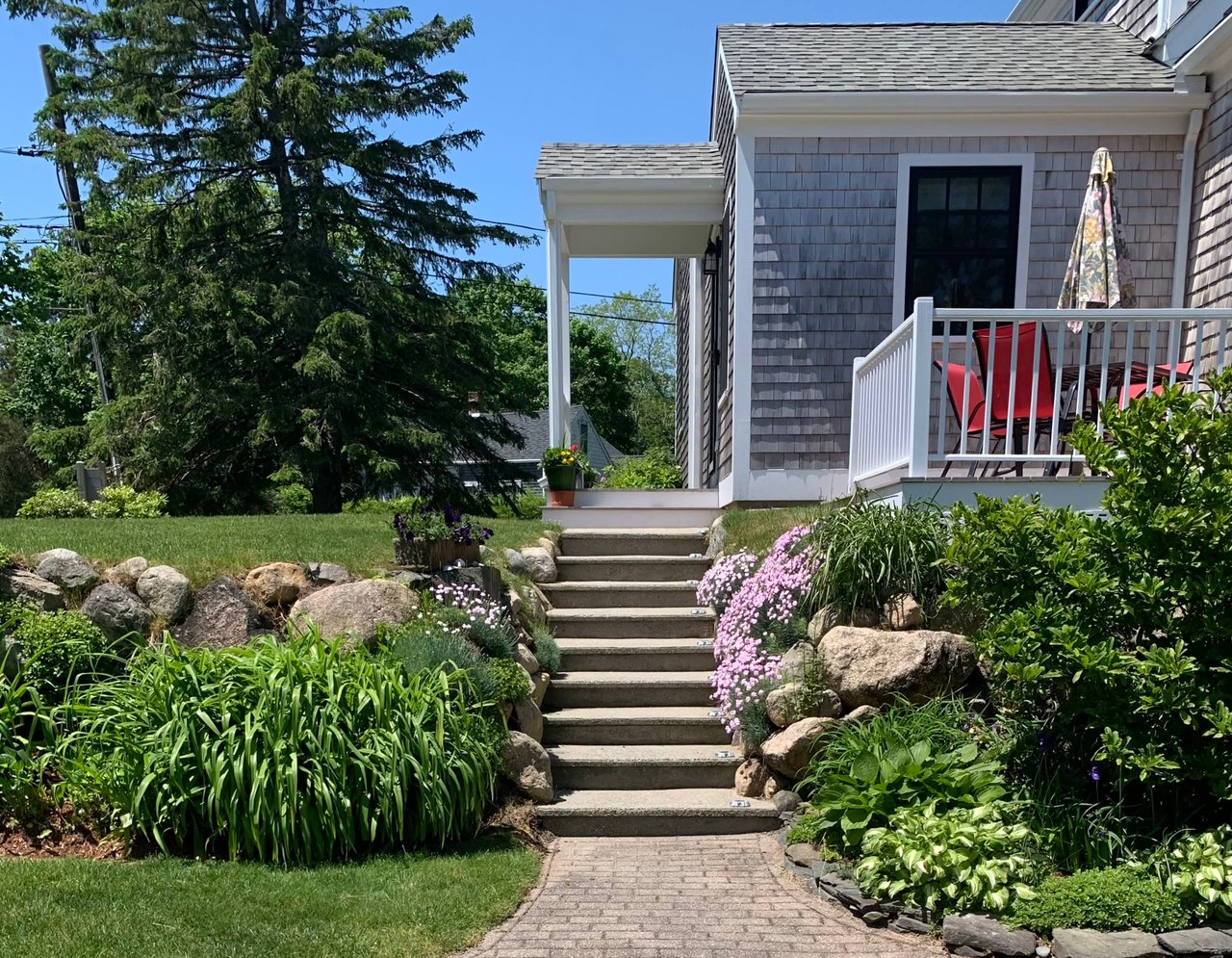
Harwich Port’s housing character leans historic, cottage-scale, and tied to its resort past. Based on the heritage inventory, the area developed over time with early commercial buildings along the road, older inns, and a mix of seasonal and year-round structures.
Nearby Ocean Grove, which is within Harwich Port, offers a strong example of that character. It is described as an 11-acre former spiritualist campground where many cottages date from 1886 to 1910 and later 1910 to 1928, with styles that include small Victorian one-and-a-half-story cottages, Shingle Style homes, and Colonial Revival homes.
The heritage inventory also references Seymour Road cottages, including one- and two-story seasonal cottages, ranches, and a Cape. Taken together, these documented building types support a clear picture of Harwich Port housing as a mix of cottages, Cape-style homes, older inns, and resort-era properties rather than a neighborhood defined by large-lot subdivision housing.
Why Downsizers Often Look Here
If you are thinking about simplifying, Harwich Port lines up with many of the features downsizers tend to prioritize. Town and chamber resources point to a year-round support network that includes the Community Center, Council on Aging, Brooks Free Library, and a bikeways network for recreation and transportation.
The Harwich Port Library on Bank Street adds another small but meaningful village amenity. It is described as a quiet stop on the way to Bank Street Beach, which says a lot about how everyday life can unfold here.
This setting may appeal to you if you want to stay active and connected without taking on more house or more driving than you need. A village with civic amenities, nearby dining, and shoreline access can support a more flexible lifestyle, whether you live here year-round or seasonally.
What the Numbers Suggest
While village-only demographic data is limited, town-wide Census QuickFacts offer useful context for Harwich as a whole. Harwich has a population of 13,620, with 35.8 percent of residents age 65 or older, an 84.8 percent owner-occupied housing rate, and a median owner-occupied home value of $658,600.
Those figures do not describe Harwich Port alone, but they do suggest an established, owner-heavy market with a substantial older population. That aligns with what many buyers already sense about the area: it can be a strong fit for retirees, second-home owners, and long-term local households.
For you, that may translate into a market where lifestyle, location, and ease of use carry real weight. In places like Harwich Port, the value conversation is often about how well a home supports the way you actually want to live.
What Buyers Should Consider
If walkability is high on your list, it helps to define what that means to you before you start touring homes. In Harwich Port, “walkable” may mean easy access to Main Street, the library, local dining, a harbor, or a Sound-side beach, but not every property will offer the same experience.
As you compare homes, it can help to think about:
- How close you want to be to the village center
- Whether beach access is part of your everyday plan or more of an occasional treat
- If you prefer historic cottage character or a more updated, lower-maintenance home
- How you want the area to feel in both summer and the quieter shoulder seasons
- Whether you are buying for year-round living, seasonal use, or a future retirement move
These are lifestyle questions as much as real estate questions. In Harwich Port, small differences in location can shape your day in a big way.
What Sellers Can Highlight
If you own a home in Harwich Port, the village-beach connection may be one of your strongest selling points. Buyers are often drawn to places where they can picture a specific routine, and Harwich Port makes that easier than many areas because the setting is so tangible.
Depending on the property, features worth emphasizing may include proximity to Main Street, access to Nantucket Sound beaches, nearness to a harbor, historic architectural character, or a low-maintenance footprint that suits downsizers and second-home buyers. The goal is to show not just the house, but the lifestyle attached to it.
For sellers, presentation matters especially in a market where charm, setting, and seasonal use can strongly influence buyer interest. Clear positioning and thoughtful marketing can help buyers understand what makes your home part of the Harwich Port story.
Harwich Port Offers a Distinct Cape Lifestyle
Not every Cape village offers the same blend of compact village life and shoreline access. Harwich Port stands out because its main street, beaches, harbors, and historic housing character all work together to create a place that feels both active and relaxed.
If you are drawn to a home base where you can enjoy restaurants, galleries, beach time, and a more connected day-to-day rhythm, this village is worth serious consideration. And if you already own here, that same lifestyle appeal is often central to how buyers see value.
Whether you are planning a downsizing move, searching for a second home, or thinking about when to sell, local context matters. To talk through what walkable Harwich Port living could look like for you, connect with The Cape House Team.
FAQs
What makes Harwich Port feel walkable for homebuyers?
- Harwich Port has a compact village pattern centered around Main Street and the Nantucket Sound shoreline, with shops, restaurants, galleries, library access, and beaches located relatively close together.
What kinds of homes are common in Harwich Port?
- Research points to a mix of historic cottages, Cape-style homes, older inns, ranches, and other resort-era properties, especially in areas with longstanding village character.
Why do downsizers consider Harwich Port, Massachusetts?
- Harwich town resources show access to amenities such as the Community Center, Council on Aging, Brooks Free Library, and bikeways, while the village setting supports a lower-maintenance, more connected lifestyle.
What is seasonal life like in Harwich Port near the beach?
- Summer brings events, marina activity, beach days, and a lively village atmosphere, while the shoulder seasons and off-season can feel quieter and more relaxed.
Is Harwich Port a good fit for a second home on Cape Cod?
- It can be appealing if you want a village setting near Nantucket Sound beaches, harbor activity, dining, and shopping, with a lifestyle that works for both seasonal visits and longer stays.