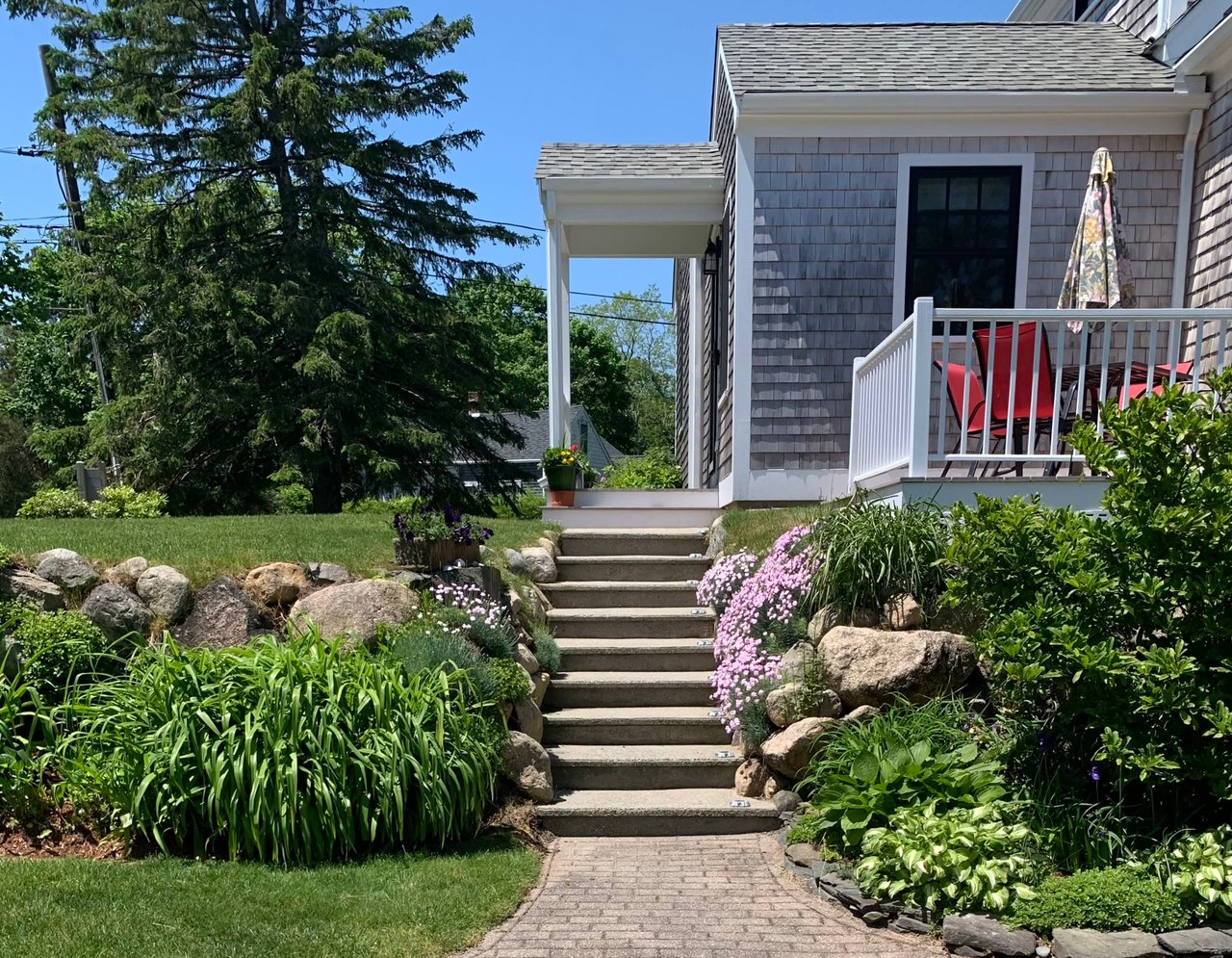
When you fall in love with a Cape Cod home, you’re usually looking at the view, the neighborhood, or the porch where you can already picture your morning coffee.
You’re probably not thinking about the next planning board meeting.
But some of the decisions that shape your experience of owning that home happen at town hall. What can be built nearby, how natural areas are protected, and where a community invests in infrastructure all help shape a location’s appeal.
As attention turns to fall town business, it’s a good time to get familiar with the local decisions that can affect your property and the community around it.
A Home’s Value Extends Beyond Its Property Lines
In the luxury market, the setting is often a significant part of the attraction. Buyers may be drawn to privacy, an established village, nearby walking trails, or a beautiful stretch of coastline.
Those qualities connect to larger questions about how a town grows and what it chooses to preserve. The Cape Cod Commission’s Regional Policy Plan recognizes that connection, bringing the region’s natural resources, infrastructure, and community needs into the same planning framework. Learn more about the regional plan.
From a real estate perspective, the practical takeaway is simple: understanding a home means understanding its surroundings, including what could change.
Town Planning Helps Shape What Comes Next
Zoning establishes rules for how land can be used and developed. In Massachusetts, much of that work happens locally. Proposed zoning changes go through a public process, including planning board review and a hearing before a town meeting vote. Massachusetts explains the process here.
For a buyer, that makes local planning worth a closer look.
If you’re imagining an addition, a pool, or a separate space for guests, the size of the yard alone won’t tell you what’s possible. Local requirements and the property’s specific conditions need to be reviewed before those ideas become part of your purchasing decision.
The same curiosity should extend beyond the lot. Is a nearby parcel being considered for development? Are changes proposed for the village center? Is a road improvement still being discussed, or has it been approved and funded?
A proposal, an approval, and a completed project are very different things. Knowing which one you’re looking at helps you make decisions based on facts.
Conservation Protects the Setting and Shapes Your Options
The marsh views, ponds, and coastal landscapes that draw people to Cape Cod also come with responsibilities.
Local conservation commissions administer the Massachusetts Wetlands Protection Act, and many communities have additional local wetlands bylaws. Depending on the location and scope, work in or near protected areas may require review and approval. MassDEP outlines these protections here.
That matters when you’re considering a waterfront renovation, a larger outdoor living area, or changes to landscaping near wetlands.
The right question is: “What can we do here, and what would the approval process involve?”
Conservation also deserves attention when evaluating the land around a home. A wooded parcel next door may feel like permanent privacy, but undeveloped land is not necessarily protected land. Verify its ownership and any recorded restrictions before treating that setting as guaranteed.
Infrastructure Belongs in the Conversation
Roads, drainage, wastewater systems, and public amenities may not lead the listing description, but they matter to everyday ownership.
When a project is proposed near a property, ask about its status, anticipated timing, and any costs that may apply to the owner. Improvements can bring benefits alongside construction disruption or new expenses.
There is no automatic formula connecting a town project to a higher sale price. Its effect depends on the property, the project, and how buyers respond. Understanding the details gives you a clearer picture of both the opportunity and the commitment.
A Little Civic Homework Goes a Long Way
You don’t have to attend every meeting to be an informed homeowner. Start with a few useful habits:
- Read town meeting warrants and look for articles involving land use, infrastructure, or open space.
- Check planning board and conservation commission agendas for locations relevant to your property.
- Ask town staff about the status of a proposal rather than relying on neighborhood conversation.
- Review property records and permit history before assuming a renovation is feasible.
- Bring specific plans to the appropriate professionals early.
These conversations are also a chance to participate in the community you’ve chosen. The decisions matter to year-round residents, local businesses, natural resources, and future homeowners alike.
Buy the Home With an Understanding of the Place
A beautiful house is only part of what you’re buying on Cape Cod. The neighborhood, landscape, and community are part of the decision, too.
At The Cape House Team, we help you look beyond the listing photos, ask useful questions, and connect with the local resources needed to understand a property’s possibilities.
Whether you’re buying, selling, or planning improvements, we’re here to help you see the fuller picture.