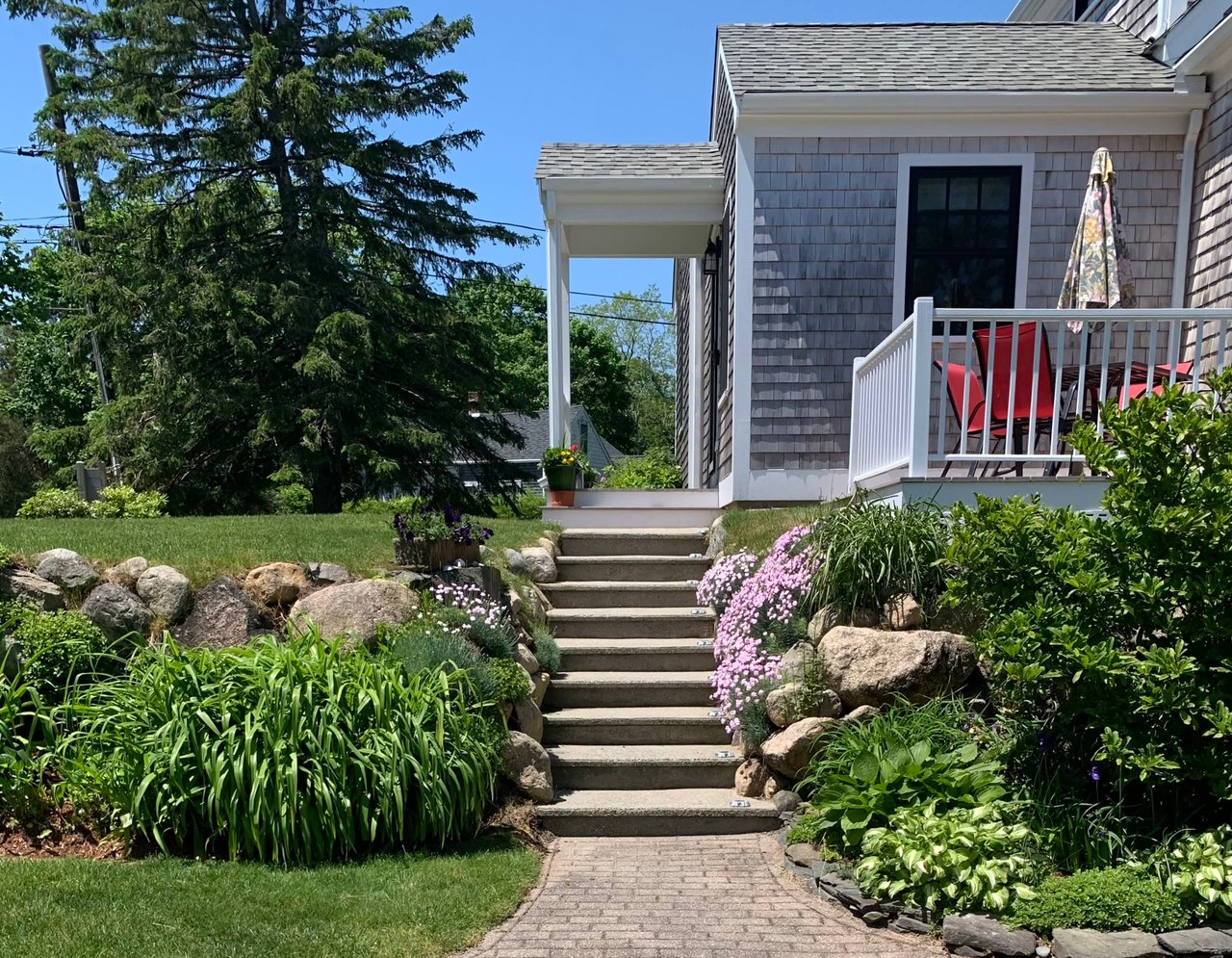
For many luxury buyers, Cape Cod real estate is more than a lifestyle purchase — it’s part of a broader financial picture. Whether you’re acquiring a primary residence, a second home, or an investment property, understanding the tax implications early can make a meaningful difference in both short- and long-term outcomes.
As tax season approaches, high-income buyers are smart to review how a Cape Cod property fits into their overall portfolio. From ownership structure to rental income, estate planning, and future resale, here are the key tax considerations luxury buyers should evaluate before — not after — closing.
1. Ownership Structure Matters More Than You Think
One of the first decisions luxury buyers face is how to take title. While many buyers default to personal ownership, others choose to purchase through trusts, LLCs, or other entities.
Each structure has implications for:
-
Privacy and asset protection
-
Estate planning and wealth transfer
-
Liability exposure
-
Long-term tax strategy
For example, trusts are often used to simplify estate planning and reduce complications for heirs, while LLCs may be appropriate for properties used as rentals or shared among multiple owners. There is no one-size-fits-all solution — the right structure depends on your financial goals, family planning, and how the property will be used.
This is where coordination between your real estate advisor, attorney, and CPA becomes essential.
2. Primary Residence vs. Second Home vs. Investment Property
How the IRS classifies your Cape Cod property affects everything from deductions to capital gains treatment.
-
Primary residences may qualify for capital gains exclusions upon sale, provided ownership and use requirements are met.
-
Second homes offer fewer tax advantages but can still be part of an effective long-term strategy.
-
Investment or rental properties open the door to depreciation, expense deductions, and income offset opportunities — but also come with additional reporting and compliance requirements.
Luxury homeowners who rent seasonally should be especially mindful of how rental income is reported, how expenses are allocated, and whether local and state occupancy taxes apply.
3. Rental Income and Local Taxes
High-end Cape Cod homes can generate significant weekly rental income during peak season. While this can help offset ownership costs, it also introduces tax complexity.
Owners should plan for:
-
Federal and Massachusetts income tax on rental earnings
-
Local room occupancy excise taxes
-
Potential registration or permitting requirements depending on town
-
Record-keeping for deductible expenses such as maintenance, management, utilities, and insurance
The upside? With proper planning, many of these expenses can be offset, and depreciation can be used to reduce taxable income. The key is clean documentation and professional guidance from the start.
4. Capital Improvements, Renovations, and Basis Planning
Luxury homes often involve renovations — either immediately after purchase or over time. These improvements aren’t just aesthetic upgrades; they play a role in future tax outcomes.
Capital improvements can:
-
Increase your cost basis
-
Reduce capital gains exposure upon resale
-
Improve energy efficiency and potentially qualify for incentives
It’s important to distinguish between capital improvements and routine maintenance, as they are treated differently for tax purposes. Keeping detailed records ensures you capture the full benefit when it matters most.
5. Energy Efficiency and Sustainability Incentives
Sustainability is becoming a core feature of luxury real estate, and there may be financial incentives tied to energy-efficient upgrades.
Depending on the project and timing, buyers may be eligible for:
-
Federal or state tax credits
-
Rebates for heat pumps, solar, or energy-efficient systems
-
Long-term savings on operating costs
These incentives can shift the economics of a renovation or new build and should be reviewed as part of the purchase or improvement plan.
6. Estate Planning and Long-Term Wealth Transfer
For many luxury buyers, Cape Cod properties are legacy assets — homes meant to stay in the family for generations. That makes estate planning a critical part of the conversation.
Massachusetts has its own estate tax thresholds, which can impact heirs if planning isn’t done proactively. Strategies such as trusts, gifting, or entity ownership may help mitigate future tax exposure and simplify transitions.
While these decisions are made with attorneys and advisors, having a real estate professional who understands how property fits into long-term wealth planning adds significant value.
7. Exit Strategy: Thinking Ahead to Resale
Even buyers with no intention of selling anytime soon should consider future resale implications:
-
Will the property appeal to future luxury buyers?
-
How will zoning, coastal regulations, or environmental factors affect value?
-
Are renovations enhancing long-term desirability or just personal taste?
Tax outcomes on resale — including capital gains treatment — are influenced by how the property is used, improved, and held over time. Smart planning today protects flexibility tomorrow.
Final Thought
Luxury real estate on Cape Cod offers incredible lifestyle rewards, but the most successful buyers approach it with both heart and strategy. Tax planning isn’t about minimizing enjoyment — it’s about ensuring your investment works as hard as your capital does.
The best outcomes happen when real estate decisions are aligned with financial, tax, and estate planning from the very beginning.
At The Cape House, we work alongside your trusted advisors to help you buy with clarity, confidence, and foresight — not surprises.