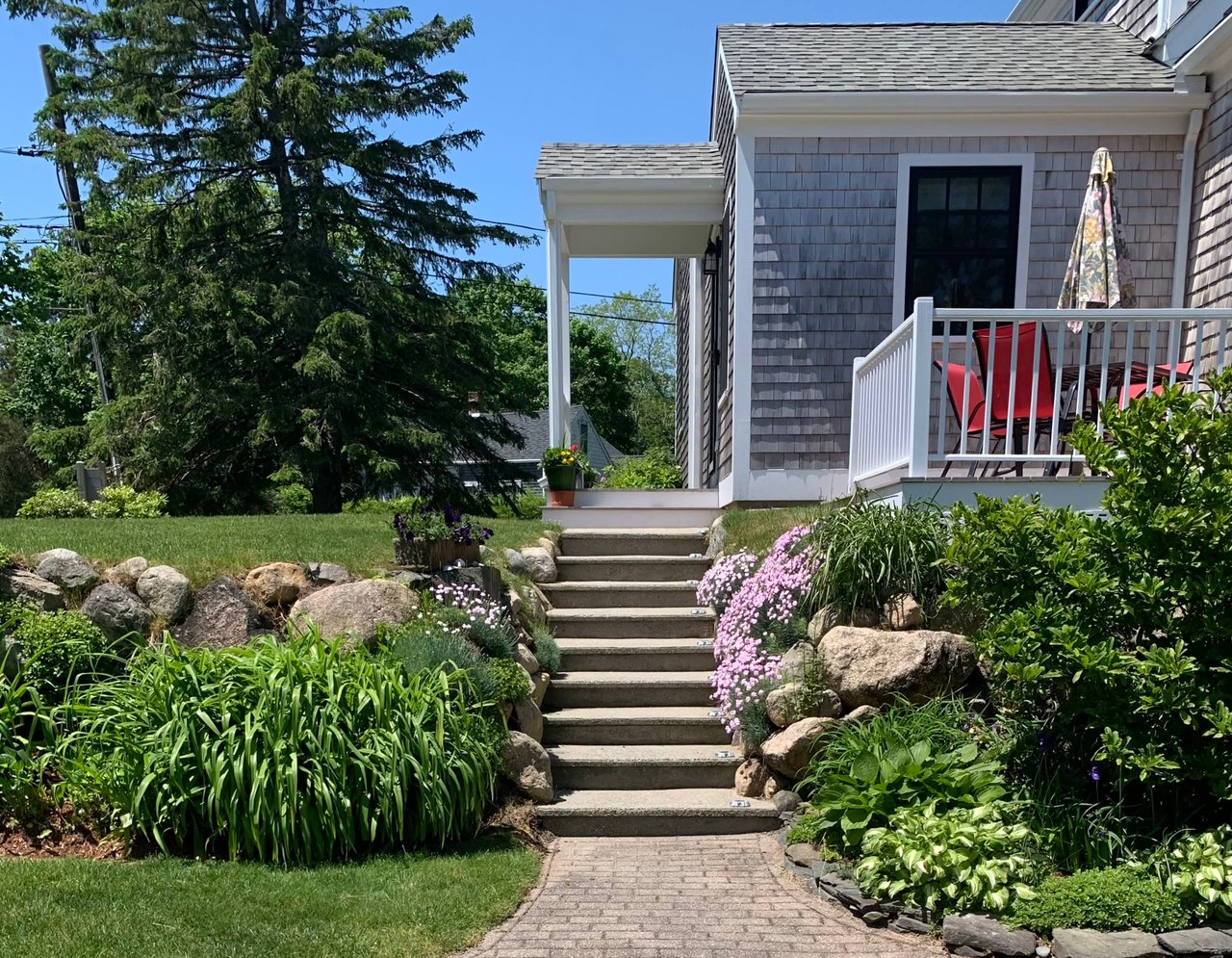
The kitchen is gorgeous. The outdoor shower is perfect. You can already picture a house full of family for the Fourth of July.
Now, where’s the septic tank?
It might not be the most exciting question on a showing, but it deserves a spot on the list. On Cape Cod, some of the most important details about a property are underground. And a beautiful renovation or a premium price tag tells you very little about the condition of those systems.
For buyers, understanding septic and well systems helps you see the full cost of ownership. For sellers, getting the information together early can prevent surprises when you’re already under contract.
Let’s talk about the things that don’t make the listing photos.
A Beautiful House Can Have Aging Systems
It’s easy to assume that a home with a new kitchen, updated bathrooms, and carefully maintained grounds has been updated everywhere.
That’s an expensive assumption.
Cosmetic renovations and infrastructure improvements happen on different schedules. A house can have brand-new appliances and an older septic system. It can have stunning bathrooms and a private well with equipment that needs attention.
The goal is to understand what was updated, when it was updated, and what still needs a plan.
Ask for installation records, permits, inspection reports, maintenance history, and repair invoices. “The owners have never had a problem” is useful background, but documentation gives you something concrete to evaluate.
A Passing Septic Inspection Is Part of the Picture
If you’re buying or selling on Cape Cod, you’ll likely hear about Title 5, Massachusetts’ septic-system rules. Confirm the inspection requirements that apply to the property with the local board of health and a qualified septic professional.
From a buyer’s perspective, the important thing is to read the actual report. A passing inspection should not be treated as a warranty or a prediction of how many years the system has left.
You still want to understand its age, design, maintenance history, and any recommendations or conditions noted by the inspector.
You also want to know whether the approved system supports your plans for the house. If you’re imagining another bedroom, a finished space for guests, or an addition, have the appropriate professionals review those ideas before you build your budget around them. A room’s appearance or use does not establish its approved bedroom status.
A house that works beautifully for the current owner may need additional review to work the way you intend to use it.
The Cost May Extend Beyond the Septic System
When septic work is needed, the equipment and installation are only part of the potential expense.
Depending on the property and scope, a project may also involve engineering, soil testing, permitting, excavation, electrical work, and restoration of the areas disturbed during construction.
That last piece deserves attention at a high-end property.
Think about the stone patio, irrigation, mature landscaping, or driveway between the equipment access point and the work area. Ask what must be removed, what can be protected, and who is responsible for putting everything back.
A proposal that covers the septic work may leave some restoration costs to separate contractors.
Before comparing estimates, make sure they cover the same scope. Ask what is included, what is excluded, and what site conditions could change the price. A property-specific estimate is far more useful than a general number someone heard from a neighbor.
Private Well Water Comes With Ownership Responsibilities
First, establish where the home’s water comes from. Some properties have public water, some rely on a private well, and some have a separate well for irrigation.
If the drinking water comes from a private well, water testing and an evaluation of the well equipment deserve their own attention during due diligence.
Clear water and good taste do not tell you everything about water quality. Ask the local health department and a qualified water professional which tests are appropriate for the property, and use a qualified laboratory.
Review any existing treatment equipment, too. A filtration or treatment system may require replacement filters, service, testing, or other ongoing supplies. Find out what it was installed to address and whether there are records showing how it has performed.
The useful questions are straightforward: What does the water need? What equipment handles that need? What does it cost to maintain?
Water Quality and Water Supply Are Separate Questions
A water-quality test does not answer every question about how the well performs.
For a home with several bathrooms, frequent houseguests, or significant seasonal use, ask a qualified well professional to evaluate the supply and equipment in relation to your anticipated needs.
The pump, pressure tank, and treatment system each deserve a place in that conversation. Ask about age, condition, service history, and potential replacement needs.
It’s especially helpful to explain how you expect to use the house. Two people living quietly through the winter and a full house of guests in August can place different demands on the property.
That doesn’t mean there is a problem. It means your evaluation should reflect the ownership experience you’re planning.
Check the Property’s Wastewater Plans
On Cape Cod, wastewater planning is another piece of the ownership picture worth investigating.
Ask the town whether the address is within an existing or planned sewer service area, whether connection requirements or assessments apply, and whether any location-specific septic requirements affect the property.
Keep confirmed obligations separate from proposals and estimated timelines. A neighbor’s understanding or a general map should be a starting point for questions, rather than the basis of your financial plan.
If a future expense is relevant to the purchase, work with your agent and attorney to understand how it should be addressed in the transaction.
Buyers: Give These Questions Their Own Place in Due Diligence
Coordinate with your agent to understand which inspections and specialist evaluations are included in your plans and which need to be arranged separately.
Before moving forward, aim to understand:
- The records: Installation dates, permits, approved capacity, inspections, and maintenance history.
- The condition: What the appropriate professionals found and what they recommend.
- The costs: Immediate repairs, routine service, potential replacements, and any restoration work.
- Your plans: Whether additions, extra bedrooms, or changes in use need further review.
- The local requirements: What the town confirms applies to this specific address.
If an issue comes up, get enough information to make a decision. An inspection finding with a clear scope and written estimate is much easier to evaluate than an unanswered question.
Sellers: Get the Paperwork Before You Get the Offer
If you’re preparing to sell, gathering these records early is one of the less glamorous tasks that can make the process smoother.
Locate the septic plans and inspection reports. Pull together pumping and service records. If the home uses a private well, find the water tests and equipment information.
Then talk with your agent about the appropriate timing for inspections and any additional evaluations.
If something needs attention, advance notice gives you time to understand the scope, obtain estimates, and decide how to approach it. Discovering the same issue with a closing date approaching leaves less room to work.
Good records also help buyers understand what they’re purchasing. When you’ve maintained a property carefully, documentation lets that care show.
Know the House Below the Surface
A well-informed purchase includes the beautiful parts of a home and the systems that make everyday life there possible.
Septic systems and private wells deserve careful review at every price point. At a high-end property, access, landscaping, amenities, and renovation plans can add more details to consider.
At The Cape House, we want you to love the house and understand what comes with it. Whether you’re preparing to sell or looking for your next Cape Cod home, we’ll help you ask the right questions and bring the right professionals into the conversation.
You can keep dreaming about the outdoor shower. We’ll make sure the underground questions get some attention, too.