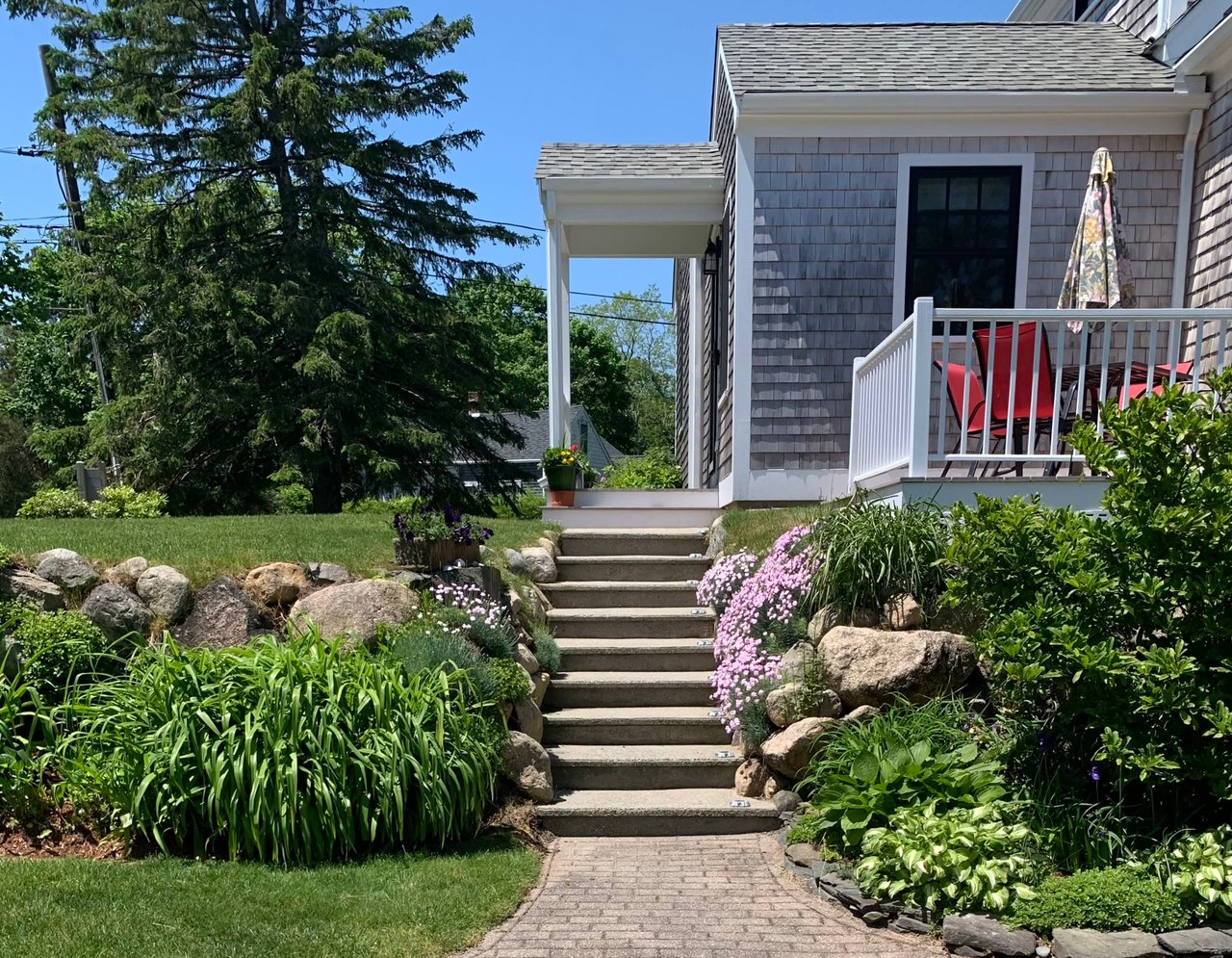
Buying a luxury home on Cape Cod is as much about strategy as it is about emotion. While the setting may feel relaxed — salt air, quiet roads, and timeless architecture — the luxury market itself is nuanced, competitive, and shaped by factors unique to coastal New England.
From seasonal inventory patterns to environmental regulations and deeply local micro-markets, luxury buyers benefit from approaching their search with a clear framework. These rules of thumb aren’t rigid formulas, but guiding principles that help buyers move confidently, avoid surprises, and ultimately secure a home that delivers both lifestyle and long-term value.
1. Start Earlier Than You Think
One of the biggest misconceptions among luxury buyers is timing. While spring and summer feel like the “buying season,” serious preparation should begin months earlier.
On Cape Cod, the spring market often starts heating up in late February or early March, particularly for high-end properties. Sellers list early to capture pent-up demand, and the most compelling homes often trade quickly.
Winter is the ideal planning season. This is when buyers should:
-
Explore towns and neighborhoods without crowds
-
Clarify budget and financing strategy
-
Assemble a trusted advisory team (agent, lender, attorney, CPA)
-
Review financial documentation and liquidity options
By the time spring listings appear, prepared buyers are positioned to move decisively rather than reactively.
2. Define Lifestyle Before You Define Location
Luxury buyers are often tempted to start with town names or price points. A more effective approach is to begin with lifestyle.
Ask yourself how you envision using the home:
-
Is this a primary residence, a seasonal retreat, or a hybrid?
-
Will you host extended family or guests frequently?
-
Do you value privacy more than walkability?
-
Is boating, golf, or beach access a priority?
-
Do you want to be near restaurants and shops, or tucked away on a quiet road?
Cape Cod offers dramatically different experiences from town to town — and even street to street. By defining how you want to live first, the “where” becomes much clearer, and the search becomes far more focused.
3. Understand That No Two Luxury Homes Are Comparable
Unlike entry-level markets where homes can be easily grouped by size and price, Cape Cod’s luxury inventory is deeply individualized. Architectural style, waterfront exposure, elevation, privacy, lot size, renovation quality, and historical significance all play a role in value.
This means traditional “price per square foot” metrics often fall short.
Instead, buyers should evaluate:
-
Replacement cost and land value
-
Scarcity of similar properties
-
View corridors and natural surroundings
-
Renovation quality versus cosmetic updates
-
Long-term livability and flexibility
Working with an agent who understands these subtleties helps buyers assess value beyond surface-level comparisons.
4. Coastal Implications Matter More Than You Expect
Waterfront and near-water homes are among the Cape’s most coveted — and most complex — assets.
Flood zones, elevation certificates, FEMA mapping, coastal bank regulations, and insurance premiums all play a significant role in ownership costs and future value. Two homes with similar views can have vastly different risk profiles and expenses.
Key factors buyers should review early include:
-
Flood zone designation and elevation
-
Current and projected insurance costs
-
Shoreline protection requirements
-
Restrictions on future improvements or expansions
-
Long-term resilience planning
The right guidance turns this complexity into clarity. Coastal data should be interpreted, not simply handed over.
5. Build the Right Advisory Team Early
Luxury transactions often involve more moving parts than traditional purchases. Buyers may be purchasing through trusts or entities, coordinating the sale of another property, or planning future renovations.
A strong advisory team typically includes:
-
A local luxury real estate advisor
-
A lender experienced with jumbo or portfolio loans
-
A real estate attorney familiar with Cape-specific issues
-
A CPA or financial advisor aligned with broader wealth strategy
When these professionals communicate effectively, the transaction becomes smoother, more private, and far more strategic.
6. Be Strategic About Financing, Even If You Can Pay Cash
Many luxury buyers on Cape Cod can pay cash — but that doesn’t always mean they should.
Financing strategies can:
-
Preserve liquidity
-
Improve negotiation leverage
-
Provide flexibility for renovations or future investments
-
Align with tax or portfolio planning goals
Whether using jumbo loans, portfolio lending, bridge financing, or hybrid strategies, the key is to align financing with the bigger picture — not just the purchase price.
7. Act Decisively When the Right Property Appears
Luxury inventory on Cape Cod is limited by geography, regulation, and preservation. When a truly special home becomes available, it often attracts immediate attention.
Prepared buyers who understand the market are able to:
-
Make clean, compelling offers
-
Adjust contingencies strategically
-
Move forward with confidence rather than hesitation
In luxury real estate, waiting for “something similar” is rarely a winning strategy. The right home is often singular — and timing matters.
8. Think Long-Term, Even for Short-Term Use
Even buyers purchasing seasonal or secondary homes should think long-term. Consider how the property may evolve:
-
Will it accommodate future family needs?
-
Could it transition to a primary residence?
-
Does it hold appeal for resale in changing markets?
-
Are renovations feasible if lifestyle needs change?
The most successful luxury purchases balance emotional connection with thoughtful foresight.
Final Thought
Buying a luxury home on Cape Cod isn’t about chasing the market — it’s about understanding it. With the right preparation, guidance, and clarity around priorities, buyers can navigate the process confidently and enjoy the rewards for years to come.
True luxury isn’t just where you buy — it’s how confidently you buy.