Thinking about listing your Marstons Mills home in the next year? You’re smart to start early. With a mix of year‑round residents and seasonal buyers, the right prep can help your home shine and sell with confidence. In this guide, you’ll learn what to do, when to do it, and how to present your property so it stands out to local and out‑of‑town buyers alike. Let’s dive in.
Read the Marstons Mills market
Marstons Mills sits within Barnstable on Cape Cod, where seasonality shapes the market. You’ll see more buyer activity in spring and early summer, quieter months in late fall and winter, and specific spikes from vacation‑home shoppers. That rhythm matters as you plan your timeline, staging, and photography.
Because Cape Cod attracts second‑home buyers, presentation and perceived maintenance are big factors. These buyers often make fast decisions based on curb appeal, photos, and evidence of care. Your goal is to reduce friction, answer questions up front, and make the next owner’s life feel easy.
Work with current MLS data and a local agent to select the best launch window for your property and to assess neighborhood inventory and pricing. Market conditions can change quickly year to year, so align your plan with real‑time information.
Your 6–18 month plan
Months 12–18: Assess and document
Start with a full interior and exterior walk‑through. You can do this with a trusted agent or a home inspector to flag safety issues, deferred maintenance, and obvious visual defects.
Gather key documents now. This includes survey or site plan, permits, appliance manuals, HVAC service records, septic and well records, insurance history, and recent tax and utility bills. Buyers and their agents ask early, and having everything ready builds trust.
Confirm regulatory items. Massachusetts Title 5 rules generally require a septic system evaluation at property transfer. Know whether you have a current inspection and when to schedule one. If your home was built before 1978, you’ll need a lead paint disclosure. Check Town of Barnstable building and conservation rules that could affect work on your property.
Months 6–12: Fix and refresh
Prioritize safety and systems. Address roofing leaks, electrical hazards, plumbing, heating or AC, and septic concerns before you spend on cosmetics. Significant system issues can derail a sale or lead to major concessions.
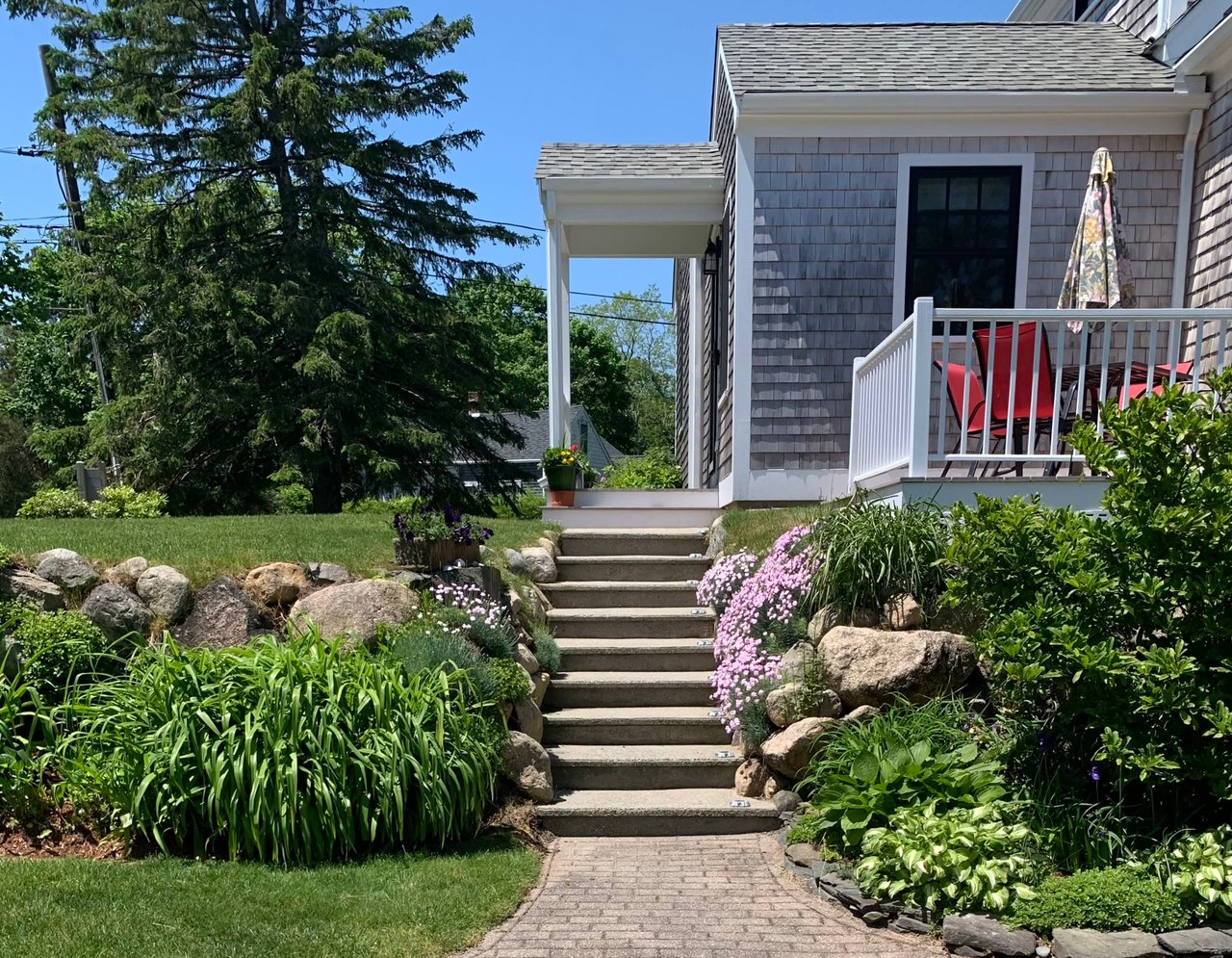
Boost curb appeal. Power wash siding and walks, prune and mulch, touch up trim, repair gutters, and refresh the front entry with clean hardware and simple plantings. First impressions carry through the entire showing.
Refresh interiors. Use neutral paint, repair drywall and trim, update light fixtures, and replace worn switch plates and door hardware. In kitchens and baths, consider new cabinet hardware, painted or refinished cabinets, and updated faucets or lighting. Refinish hardwoods or deep clean carpets where needed.
Address moisture. With local ponds and coastal humidity, buyers are sensitive to any signs of dampness. Fix water intrusion, improve ventilation, and remediate any mold areas properly.
Improve comfort and efficiency. Seal drafts, insulate the attic, and service the heating system. These are easy wins you can highlight in your listing.
Months 2–4: Stage and schedule
Complete paint touchups, deep cleaning, window washing, and final repairs. Plan your staging approach and book photography, floor plans, virtual tours, and, if helpful, drone imagery. If your home will list in a different season from when photos are taken, coordinate with your agent on the best timing and whether seasonal photos make sense.
Final 0–6 weeks: Launch ready
Walk through with fresh eyes and a buyer’s mindset. Clear surfaces, store personal photos, secure valuables, and tidy indoor and outdoor spaces. Prepare all disclosures, pre‑inspections like Title 5, and property information to accelerate the transaction.
Handle rules and risks early
Every property is different, but these items come up frequently in Barnstable sales. Address them before you hit the market.
- Septic systems and Title 5. Massachusetts requires an evaluation of on‑site sewage disposal systems in many transfers. Schedule early, especially if repairs or upgrades might be needed.
- Well water. If your property uses a well, buyers may ask for recent water quality tests. Be ready with current results or plan to test.
- Flood risk and insurance. Check FEMA flood maps to understand your zone and whether a lender may require flood insurance. Disclose any known flooding history or insurance claims.
- Lead paint. Homes built before 1978 require a federal lead paint disclosure. Review Massachusetts guidance if you plan any renovations that could disturb paint.
- Smoke and CO detectors. Massachusetts has specific detector requirements. Confirm compliance and documentation before closing.
- Conservation and permitting. Check Town of Barnstable regulations for conservation restrictions, coastal or wetlands overlays, and permits for any past or planned work.
- Short‑term rentals. If your home has STR history, gather records of compliance and income. Buyers often ask for this information.
Stage for Cape Cod appeal
Staging principles
The goal is to help buyers picture the lifestyle and scale of each space while minimizing distraction.
- Declutter and depersonalize. Remove excess furniture, family photos, and niche decor. Create open sightlines and clear pathways.
- Light and color. Maximize daylight, use neutral wall colors, and layer lighting with overhead, task, and accent fixtures.
- Scale and flow. Right‑size furniture to rooms and define clear functions. Store oversized items that make rooms feel tight.
- Subtle coastal cues. In Marstons Mills, restrained Cape Cod touches like natural textures, simple linens, and muted blues or grays feel on‑brand without theme staging.
Room priorities
- Kitchen and main living areas. These are your headliners. Keep counters clear, update lighting where practical, and highlight any built‑ins or fireplaces.
- Primary suite and baths. Focus on cleanliness, linens, and storage. Neutral towels and minimal accessories go a long way.
- Entry and outdoor living. Stage porches, decks, patios, and screened spaces to show how the home lives in warm months.
Outdoor living
Highlight lawn and garden care, simple seating zones, and a tidy grill area. If you have pond access, a wooded yard, or a screened porch, make these features camera‑ready and easy to tour.
Hire a pro
Consider a professional stager for vacant homes, higher‑price points, or when you want maximum visual impact. Partial staging can be enough to convey scale and function in key rooms, and it often photographs better than empty spaces.
Photography and media
Professional photography increases online interest and helps buyers bookmark your listing. When you can, hire a pro and complement photos with floor plans, a 3D tour, or a short video. Remote and second‑home buyers rely heavily on digital presentation.
Essential shot list
- Exterior front and rear, plus yard
- Kitchen from multiple angles
- Living room, dining area, and any flexible spaces
- Primary bedroom and bath, plus other beds and baths
- Feature details like fireplaces or built‑ins
- Views or proximity scenes such as pond or marsh glimpses
- Each significant indoor and outdoor space represented
Aim for 20 to 40 images depending on size. Lead with your strongest exterior or a compelling living‑kitchen space.
Light and timing
Schedule photos to take advantage of natural light. Late morning can work well for interiors. Consider a twilight exterior if your facade or outdoor lighting shines after sunset. Align seasonal images with your launch window so landscaping and foliage support the story you’re telling.
Drone and virtual tours
Drone shots can showcase lot context and water proximity. Commercial drone use requires FAA certification under Part 107, so use a licensed operator and be mindful of local rules and neighbor privacy. For long‑distance buyers, a 3D tour or floor plan makes it easier to understand layout and flow.
Photo prep checklist
- Clear counters and surfaces, hide trash cans, store pet items
- Make beds, remove personal photos, and secure valuables
- Tidy porches, decks, and yard; mow and weed; coil hoses
- Clean windows and mirrors, dust light fixtures, check for reflections
Budget and contractors
Get multiple bids for any contracted work, and build in time buffers. On Cape Cod, contractor schedules can be seasonal. Ask about lead times for materials and plan staging and photography dates accordingly.
Include staging and professional media in your budget. Modest investments here often produce outsized returns by drawing more showings and stronger first impressions.
Plan your launch
If you can, aim for spring or early summer to capture broader buyer traffic and showcase outdoor living. Late summer and fall can bring motivated buyers with less competition, while winter offers serious shoppers and opportunities to lean into cozy interior staging. Your best timing depends on your personal needs and current neighborhood inventory, so calibrate with local MLS data.
Anticipate buyer questions
Buyers in Marstons Mills are detail‑oriented and often time‑limited. Prepare clear answers to these common questions:
- Is the property on septic and do you have a recent Title 5 inspection?
- What is the flood zone status and any history of flooding or claims?
- How close are beaches, marinas, and Hyannis services?
- Are there conservation restrictions, wetlands, or deeded pond access?
- If used as a rental, what is the historic occupancy and income?
Ready to craft a plan tailored to your home and your timeline? The Cape House is a boutique, high‑touch team with deep mid‑ and lower‑Cape roots, premium listing production, and the reach of the William Raveis network. From staging and pro photography to remodeling referrals and launch strategy, we help you maximize appeal and move forward with confidence. Start with a quick conversation and let’s map your next steps with The Cape House Team. Start Your Cape Cod Story.
FAQs
What should Marstons Mills sellers do first 12–18 months out?
- Schedule a full walk‑through to identify issues, gather documents like permits and service records, and confirm Title 5 and other required inspections.
How does Cape Cod seasonality affect my listing timeline?
- Buyer traffic often rises in spring and early summer, dips in late fall and winter, and includes summer vacation‑home spikes, so time your launch to match your goals.
What are must‑do repairs before listing in Barnstable?
- Address roof, electrical, plumbing, heating or AC, and septic first, then tackle curb appeal, paint, lighting, flooring refreshes, and moisture remediation.
Do I need a Title 5 inspection to sell in Massachusetts?
- In many transfers with on‑site sewage systems, a Title 5 evaluation is required, so verify your status early and schedule any needed inspections or work.
How many listing photos are ideal for a Cape Cod home?
- Plan for roughly 20 to 40 images depending on size, leading with your best exterior or main living space and covering each significant indoor and outdoor area.
When should I hire a professional stager in Marstons Mills?
- Consider a pro for vacant or higher‑priced homes or when you want maximum visual impact; partial staging often helps photos and showings in key rooms.