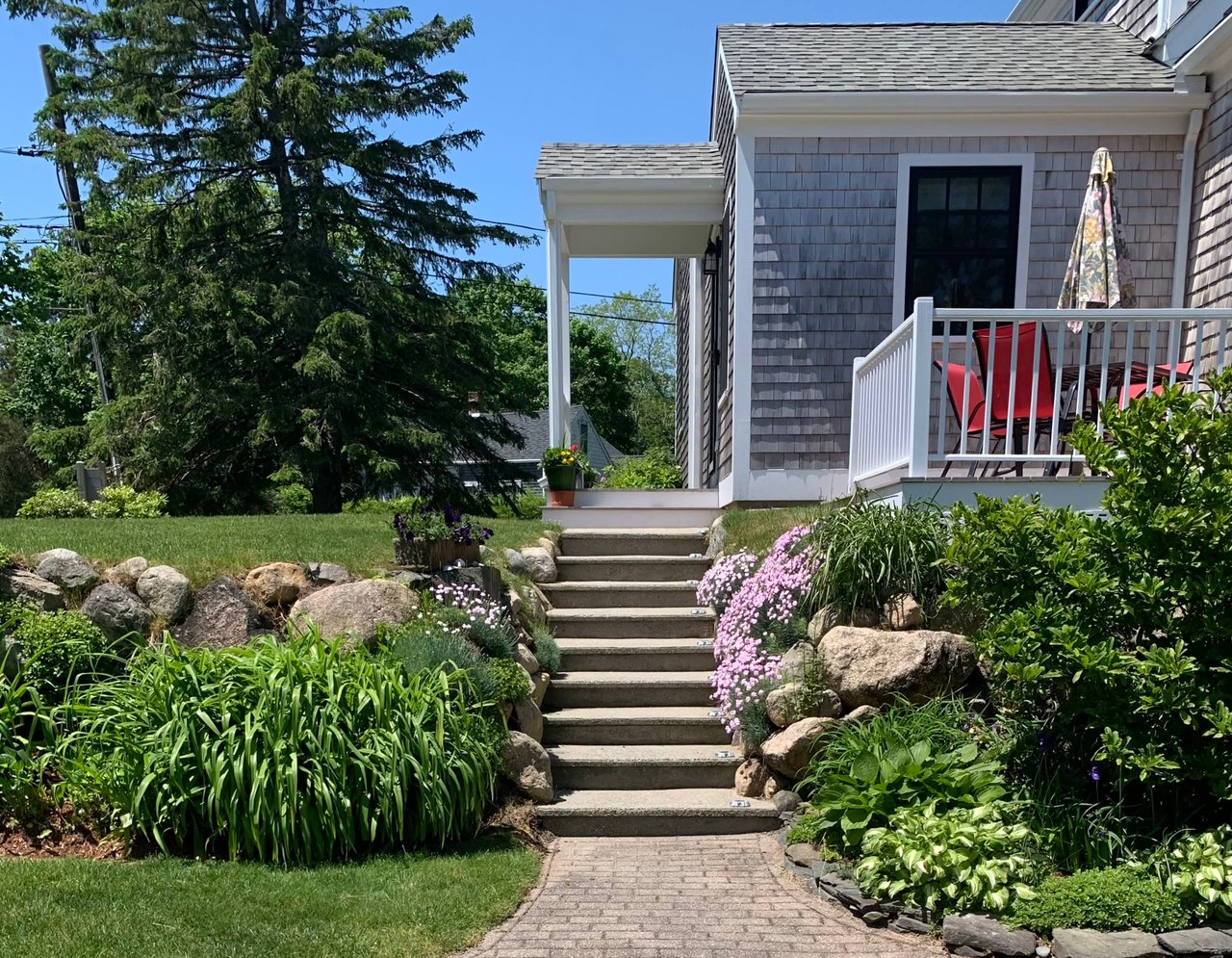
For generations, luxury real estate on Cape Cod has been defined by the view. The closer to the water, the better. Today, the view still matters, but buyers are looking beyond it.
Climate change has not made people stop dreaming about owning a home on the Cape. It has made them more thoughtful about what they buy, where they buy it, and how well the property will serve them over time. The definition of luxury is expanding. Beauty and location are still essential, but resilience, efficiency, and peace of mind are becoming part of the package.
Buyers Want to Understand the Risk
Sophisticated buyers are asking more detailed questions earlier in the process. Is the property in a flood zone? Has the home ever experienced water intrusion? What is the history of the seawall, revetment, or dune? How exposed is the road leading to the house? What could insurance cost, and how might that change?
This is not necessarily a sign that buyers are walking away from waterfront property. It means they want to understand exactly what they are buying.
There is also a growing awareness that a home’s official flood-zone designation is only one piece of the picture. Buyers may look at elevation, drainage, shoreline movement, surrounding infrastructure, and potential future conditions in addition to the current FEMA map.
The strongest luxury purchases are increasingly the ones made with both eyes open.
Resilience Is Becoming a Luxury Feature
On the Cape, resilient design used to sound mostly technical. Now it can be a meaningful selling point.
Buyers are paying closer attention to features such as:
- Elevated mechanical systems
- Flood-resistant materials on lower levels
- Improved grading and drainage
- Impact-rated windows and storm protection
- Backup generators and battery systems
- Updated roofs, siding, and building envelopes
- Native landscaping designed to manage water and reduce erosion
These improvements may not create the emotional impact of a sweeping ocean view or a beautifully designed kitchen, but they can make a home far easier to own. For a luxury buyer, that ease matters.
A property thoughtfully prepared for storms, outages, and changing coastal conditions offers something increasingly valuable: confidence.
Insurance Is Part of the Buying Conversation
Insurance has moved from a closing detail to an early due-diligence item.
Luxury buyers may request quotes before making an offer or during the earliest days of a contingency period. They want to know whether a property is insurable, what coverage is available, which deductibles apply, and whether flood insurance will be required or advisable.
This is especially important because two homes with similar asking prices and similar water access can have very different carrying costs. Elevation, construction type, storm protections, claims history, and location can all influence the insurance picture.
For sellers, having clear documentation can help. Elevation certificates, permits, renovation records, flood-related improvements, recent insurance information, and service histories allow buyers to evaluate the property with fewer unknowns.
In a market where uncertainty can slow a decision, good records become part of the home’s value.
Energy Efficiency No Longer Has to Compromise Design
Climate-conscious buyers are also thinking beyond coastal risk. They are looking at how a home uses energy, how comfortable it is throughout the year, and how dependent it is on aging systems.
High-performance windows, heat pumps, smart thermostats, solar panels, battery storage, efficient insulation, and EV charging are becoming more desirable. In the luxury market, however, buyers do not want these systems to feel bolted on. They want the technology to be quiet, intuitive, and integrated into the design.
The best homes pair efficiency with aesthetics. A high-performing home should still feel warm, layered, and distinctly Cape Cod. When sustainability disappears into beautiful design, it becomes a luxury rather than a compromise.
Location Is Being Evaluated More Broadly
Waterfront will always command attention, but some buyers are widening their definition of a prime location.
A home set slightly inland, on higher ground, or within walking distance of the water may offer much of the Cape lifestyle with less exposure. Others are prioritizing properties near town centers, beaches, marinas, and conservation land without needing the water directly outside the door.
Access matters too. A structurally sound house can still be affected if the only road in and out is vulnerable to flooding. Buyers are increasingly evaluating the resilience of the surrounding neighborhood and infrastructure, not just the house itself.
This does not make waterfront obsolete. It makes micro-location more important. Two properties a short distance apart can have very different elevations, exposures, access points, and long-term considerations.
Turnkey Now Means Prepared
In the past, turnkey usually meant renovated, furnished, and ready for summer. Today, the word carries more weight.
A truly turnkey Cape property may also have updated systems, reliable backup power, strong drainage, storm-ready construction, manageable insurance, and clear maintenance records. Buyers purchasing a second home do not want to spend every approaching storm wondering what they forgot to address.
The most desirable homes make ownership feel simple. That simplicity is becoming one of the clearest markers of luxury.
What This Means for Cape Cod Sellers
Sellers do not need to turn every property into a fortress. They do need to understand the questions today’s buyers are likely to ask.
Before listing, it may be worth gathering relevant property records, reviewing known vulnerabilities, completing deferred maintenance, and getting professional guidance on the improvements that could matter most.
Even modest steps, such as servicing a generator, correcting drainage problems, documenting recent upgrades, or obtaining an elevation certificate, can make a property easier to evaluate.
Presentation matters as well. Resilient features should be explained in plain language and incorporated into the home’s story. Buyers need to understand not only that an improvement was made, but how it makes the property safer, more comfortable, or easier to own.
The New Cape Cod Luxury
Climate change is not erasing the appeal of Cape Cod. It is changing the standard by which exceptional properties are judged.
The best luxury homes still deliver what buyers have always wanted: beauty, privacy, proximity to the water, and a sense of escape. Increasingly, they also deliver durability, efficiency, adaptability, and a clear plan for the future.
That is the new version of luxury on the Cape. Not simply owning a beautiful place, but owning one with confidence.
Thinking about buying or selling a luxury property on Cape Cod? The Cape House can help you evaluate the full picture, from lifestyle and location to long-term ownership considerations