If you picture Cape Cod village life as equal parts history, marsh views, and everyday convenience, Yarmouth Port makes a strong case. This is a place where Route 6A sets the tone, historic homes shape the streetscape, and outdoor access is never far away. If you are thinking about buying in the village, or simply trying to understand what makes it different from other mid-Cape spots, this guide will help you see how daily life here really works. Let’s dive in.
Why Yarmouth Port Feels Distinct
Yarmouth Port is centered on Route 6A, also known as the historic Old King’s Highway. The Cape Cod Commission notes that this 34-mile corridor became a National Scenic Byway in 2021, and the Town of Yarmouth is continuing village center improvements in 2025 focused on pedestrian safety, parking, signage, business deliveries, and traffic calming.
That matters because the village identity is not accidental. Yarmouth’s comprehensive plan says the character of the area is strongly shaped by historic structures along Route 6A and in Yarmouth Port, and it also notes that Yarmouth Port generally has larger lots than areas south of Route 6.
If you are drawn to places with visible New England history, this village delivers that in a very lived-in way. The Northside Historic District runs along Route 6A, and the Captain’s Mile includes more than 50 homes once owned by sea captains, giving the area a strong architectural story that still defines the village today.
What Daily Life Looks Like
One of the best things about Yarmouth Port is that it feels locally rooted, not just seasonal. The village core includes civic, cultural, and small-business destinations that support a day you can actually imagine living, not just visiting.
You can start with the Yarmouth Port Library, founded in 1866, then head toward Strawberry Lane to visit the Edward Gorey House in a former sea captain’s home. Thacher Hall on the common adds another layer of village life as a preserved former church that now serves as a cultural center.
For browsing and errands with a village feel, Route 6A has several independent businesses. Parnassus Book Service occupies a historic 19th-century building and includes an outdoor browsing area, while the local chamber also highlights shops such as Just Picked Gifts, Voila! Designs by Frederique, and Harvest of Barnstable.
Dining follows the same pattern. Current examples in and around the village include the Old Yarmouth Inn, Cape Flats Pizza, Royal II Restaurant & Grille, and the Inn at Yarmouth Port. Together, these spots help make the corridor feel active and usable beyond the peak summer months.
Walkability in the Village Core
A common question buyers ask is whether Yarmouth Port is actually walkable. The practical answer is that the village core along Route 6A supports a walkable-day experience, with a cluster of libraries, cultural landmarks, shops, and dining options.
It is also worth noting that the town is actively working on Route 6A village center improvements with pedestrian safety as a stated priority. That ongoing focus reinforces the idea that Yarmouth Port is trying to remain both historic and functional for everyday movement through the village.
Walkability here is less about an urban grid and more about a scenic village rhythm. You are moving through a historic corridor with independent destinations, public landmarks, and a strong sense of place rather than a heavily commercial main street.
Outdoor Access Near Home
For many buyers, Yarmouth Port stands out because outdoor access is woven right into village life. North of Route 6A, the Callery Darling Conservation Area offers salt and freshwater wetlands, trails, and the Bass Hole Boardwalk.
According to the town, the boardwalk is an 800-foot overlook with a sitting area at the seaward end. That gives you an easy way to enjoy marsh views and the changing light over the water without needing a long outing or drive.
Bass Hole Beach adds another nearby option with a beach, picnic area, pavilion, boardwalk, seasonal bathrooms, and seasonal paid parking. If you prefer freshwater settings, Dennis Pond on Summer Street offers another close-by alternative, with parking and a special sticker requirement.
This range of access is a big part of the Yarmouth Port lifestyle. You can move between village streets, marsh trails, boardwalk views, and shoreline settings without leaving town.
Historic Homes and Property Character
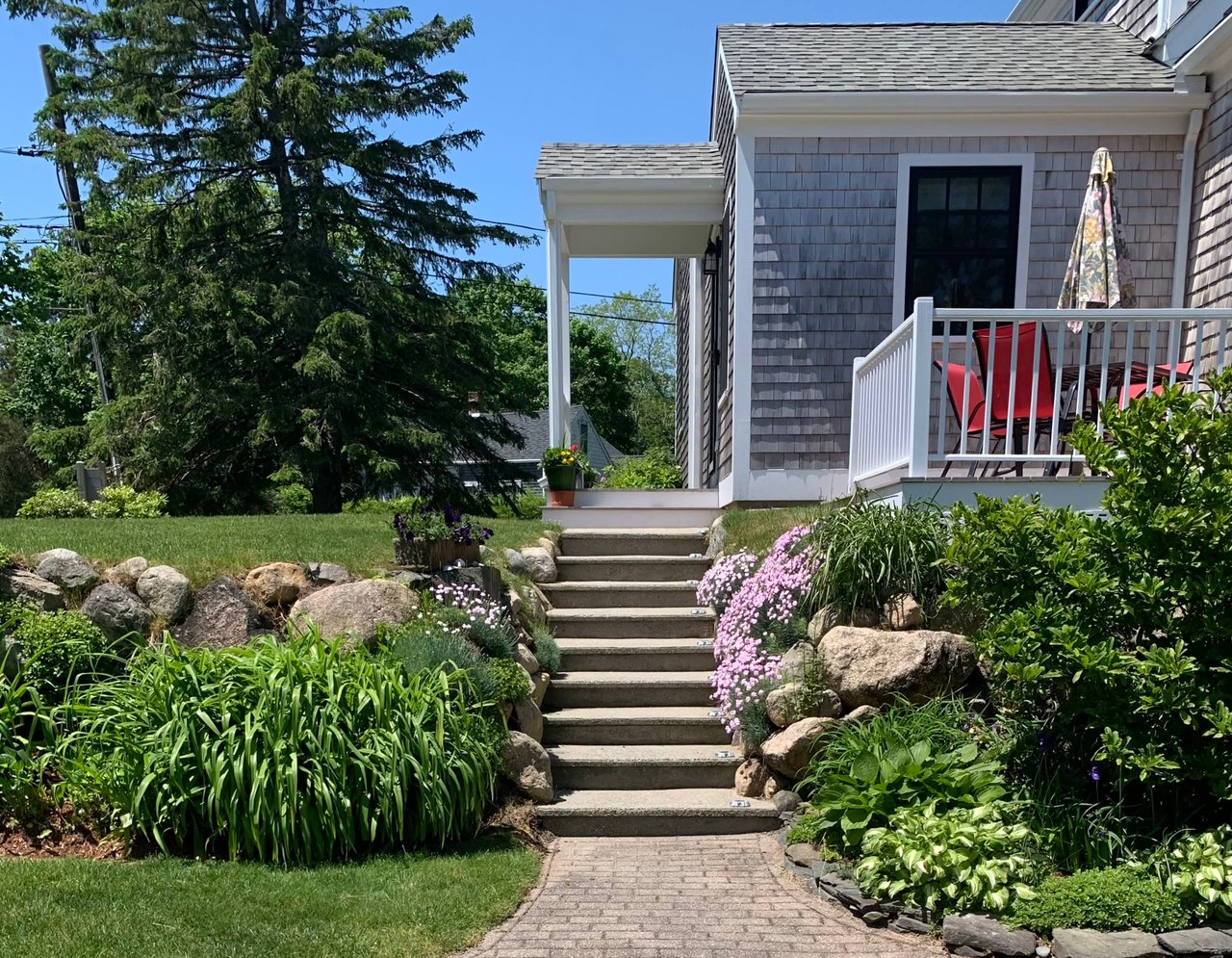
Yarmouth Port is best understood as a historic village first. Its housing story includes antique homes, former sea captain houses, and later single-family homes, often on larger lots than you may find in some areas south of Route 6.
For buyers, that usually means the appeal is centered on character, setting, and long-term charm rather than a new-development feel. If you want a place with preserved homes, public landmarks, and proximity to marshes and Cape Cod Bay, this village often aligns with that vision.
That also means no two properties feel exactly alike. In Yarmouth Port, a home search often becomes a search for the right balance of history, upkeep, lot size, location, and renovation potential.
What Buyers Should Know About Historic Review
In Yarmouth Port, preservation is not just part of the backdrop. It can directly affect what you can do with a property.
The Old King’s Highway Historic District covers all properties north of Route 6 to the Barnstable and Dennis borders. In that district, the committee reviews demolition and visible exterior changes such as additions, fences, stone walls, solar panels, and signs.
If you are considering a home that needs updates, this is one of the most important practical details to understand early. The question is not only whether you like the house as it stands today, but also whether your future plans fit within the local review process.
That does not mean historic ownership is a drawback. It simply means you should evaluate renovations with a preservation lens from the start, especially if exterior changes are part of your budget or wish list.
Marsh-Adjacent Property Considerations
The natural setting is part of what makes Yarmouth Port special, but it can also bring added review and permitting considerations. Marsh-adjacent parcels may fall within regulated wetland areas, buffer zones, or other protected spaces.
The Town of Yarmouth explains that activities such as filling, grading, or building within protected areas are regulated under the Wetlands Protection Act and the local bylaw. If a property is near wetlands, it is smart to understand those requirements before you finalize renovation plans.
For buyers, this is less about fear and more about planning. A beautiful setting often comes with extra diligence, and knowing that upfront can help you make a more confident decision.
Why the Village Appeals to Different Buyers
Yarmouth Port can work for more than one kind of buyer because it offers a mix of history, scenery, and daily usability. If you are looking for a second home, the village delivers character, access to outdoor spaces, and a setting that feels rooted in Cape Cod identity.
If you are thinking about a downsizing or retirement move, the appeal may be the combination of village atmosphere, cultural anchors, and a more residential feel. The town’s Route 6A work also points to an ongoing effort to preserve village character while improving conditions for pedestrians and local businesses.
For many buyers, that mix is the sweet spot. You get a place that feels established and scenic, with enough activity in the core to support a fuller lifestyle than a purely seasonal address.
What Sellers Should Keep in Mind
If you own a home in Yarmouth Port, your property story is often about more than square footage. Buyers are usually responding to the setting, the architecture, the village identity, and how your home fits into that broader experience.
That is why presentation matters so much here. Homes in historic villages often benefit from thoughtful preparation that helps buyers understand both the character of the property and the lifestyle around it.
For sellers with updates in mind, it is also wise to factor historic district review into the timeline if exterior work is involved. A clear strategy can help you prepare the home well while avoiding surprises.
Community Traditions Add Staying Power
A strong village identity is often easiest to see during local events. In Yarmouth Port, the Christmas Stroll brings that to life with trolley service, tree lighting, and stops at a long list of village businesses and institutions along Route 6A.
The event includes places like Parnassus Book Service, Thacher Hall, the Yarmouth Port Library, the Edward Gorey House, and the Historical Society of Old Yarmouth. That kind of recurring tradition says a lot about how connected the village fabric is.
Even public preservation efforts reflect that same spirit. The Memorial Arch and Village Water Pump at Route 6A and Summer Street were conserved with Community Preservation Act funding and restored and rededicated in 2024, underscoring how much local identity is tied to stewardship.
Yarmouth Port is a great fit if you want Cape Cod living with depth, texture, and a clear sense of place. If you are buying, selling, or simply weighing whether this village matches your goals, The Cape House Team can help you understand the details that matter most and shape a smart next step.
FAQs
What is Yarmouth Port village living like on Route 6A?
- Yarmouth Port village living centers on historic Route 6A, with a mix of cultural landmarks, independent shops, dining, and a scenic village atmosphere shaped by preserved homes and public spaces.
What should buyers know about Yarmouth Port historic district rules?
- Buyers should know that properties north of Route 6 fall within the Old King’s Highway Historic District, where demolition and visible exterior changes such as additions, fences, stone walls, solar panels, and signs may require review.
Is Yarmouth Port walkable for daily errands and outings?
- The village core supports a walkable-day experience with places like the library, cultural sites, shops, and restaurants, and the town is actively pursuing Route 6A improvements focused on pedestrian safety.
What outdoor spots are near homes in Yarmouth Port?
- Nearby outdoor options include the Callery Darling Conservation Area, the Bass Hole Boardwalk, Bass Hole Beach, and Dennis Pond, offering marsh, beach, boardwalk, and freshwater access within town.
Are there wetland rules for Yarmouth Port properties near marshes?
- Yes. The town regulates coastal wetlands, buffer zones, and certain activities such as filling, grading, or building in protected areas under state law and the local bylaw.
What kinds of homes are common in Yarmouth Port?
- Yarmouth Port is known for antique homes, former sea captain houses, and later single-family homes, often on larger lots than some areas south of Route 6.